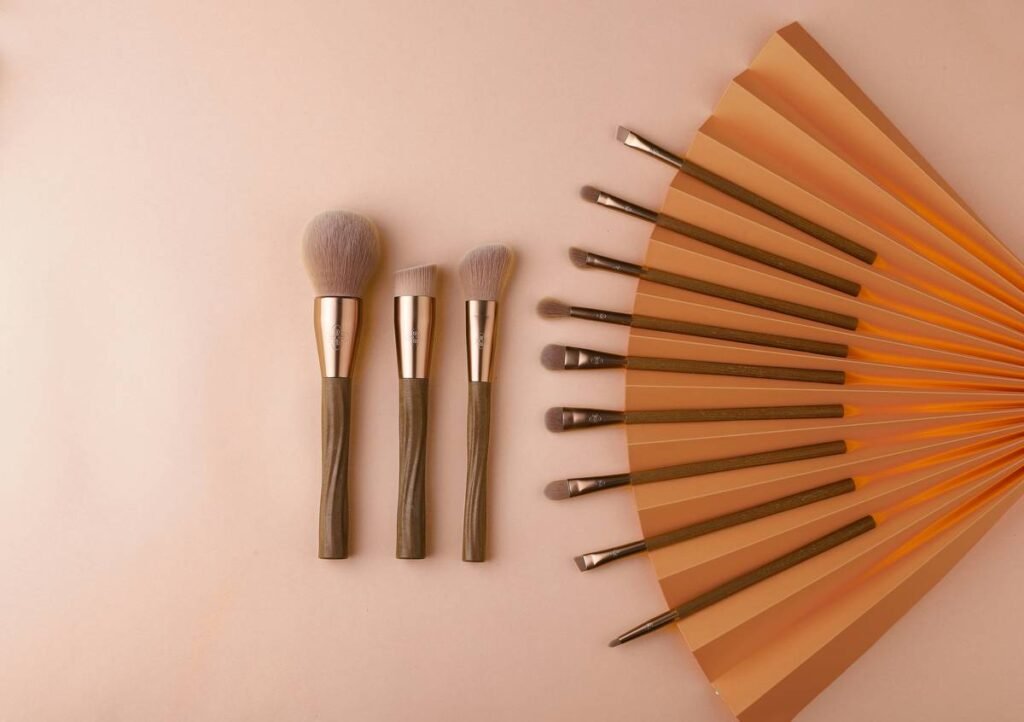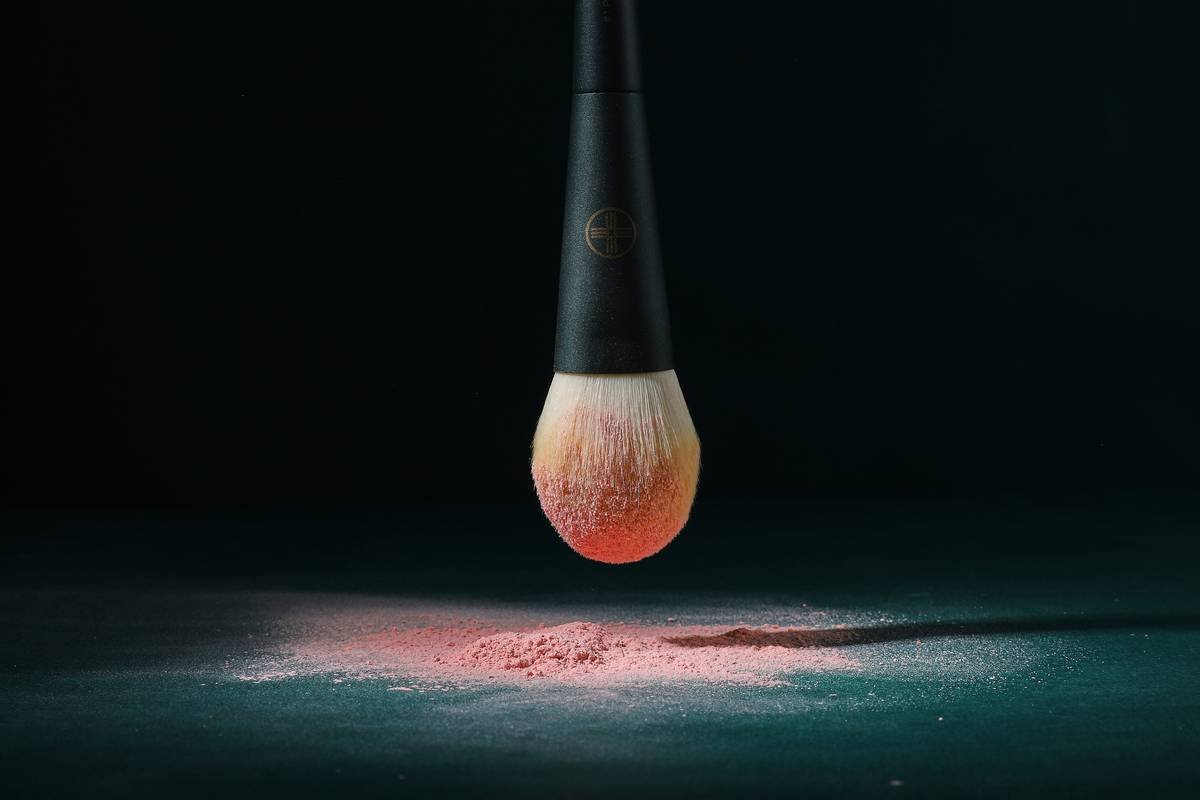
You spend hundreds on high-end foundation and eyeshadow—but your look still looks patchy, harsh, or just “off.” It’s not the product. It’s the tool. Most people treat applicators as afterthoughts, grabbing whatever’s clean, cheap, or bundled with a kit. And that’s exactly why their makeup never looks pro-grade. The fix? A purpose-built cosmetic blending brush—engineered for seamless diffusion, not just distribution.
The Core Problem: Why Standard Brushes Sabotage Your Look
Drugstore dome brushes and synthetic sponges compress pigment instead of blending it. They leave streaks on cheekbones, muddy transitions in creases, and uneven coverage on the forehead. Worse—they trap bacteria in dense bristles you can’t clean properly.
And most tutorials never tell you this: fiber density matters more than shape. A fluffy brush with sparse bristles just moves product around—it doesn’t *feather* it. Real blending requires controlled resistance. Think of it like sanding wood: too soft, nothing smooths out. Too hard, you gouge the surface. Precision lives in the middle.
How to Choose and Use a Cosmetic Blending Brush Like a Pro
Fiber Type Dictates Finish
Natural goat hair offers superior softness and pigment pickup for powder products—ideal for blush and bronzer. But for cream or liquid formulas? Go synthetic. Taklon fibers resist saturation, maintain shape when wet, and won’t degrade from solvents in modern foundations.
Shape Isn’t Just Aesthetic—It’s Functional
A tapered dome excels at diffusing eyeshadow along the crease without overloading the lid. A flat-top kabuki? Perfect for stippling foundation into pores—but terrible for blending contour. Match the geometry to the task. No single “magic” brush does it all.
Cleaning Frequency = Performance Longevity
Use your cosmetic blending brush daily? Wash it weekly with pH-balanced cleanser. Skip this, and oil buildup stiffens bristles—killing flexibility and spreading old makeup (and microbes) onto fresh skin.
| Tool Type | Best For | Blending Efficiency | Cleanability |
|---|---|---|---|
| Cosmetic blending brush (natural fiber, tapered) | Powder eyeshadow, blush | ★★★★★ | ★★★☆☆ |
| Synthetic stippling brush | Liquid/cream foundation | ★★★☆☆ | ★★★★★ |
| Beauty sponge (damp) | Sheer foundation layering | ★★☆☆☆ | ★☆☆☆☆ |
| Dense kabuki brush | Mineral powder setting | ★☆☆☆☆ | ★★★☆☆ |
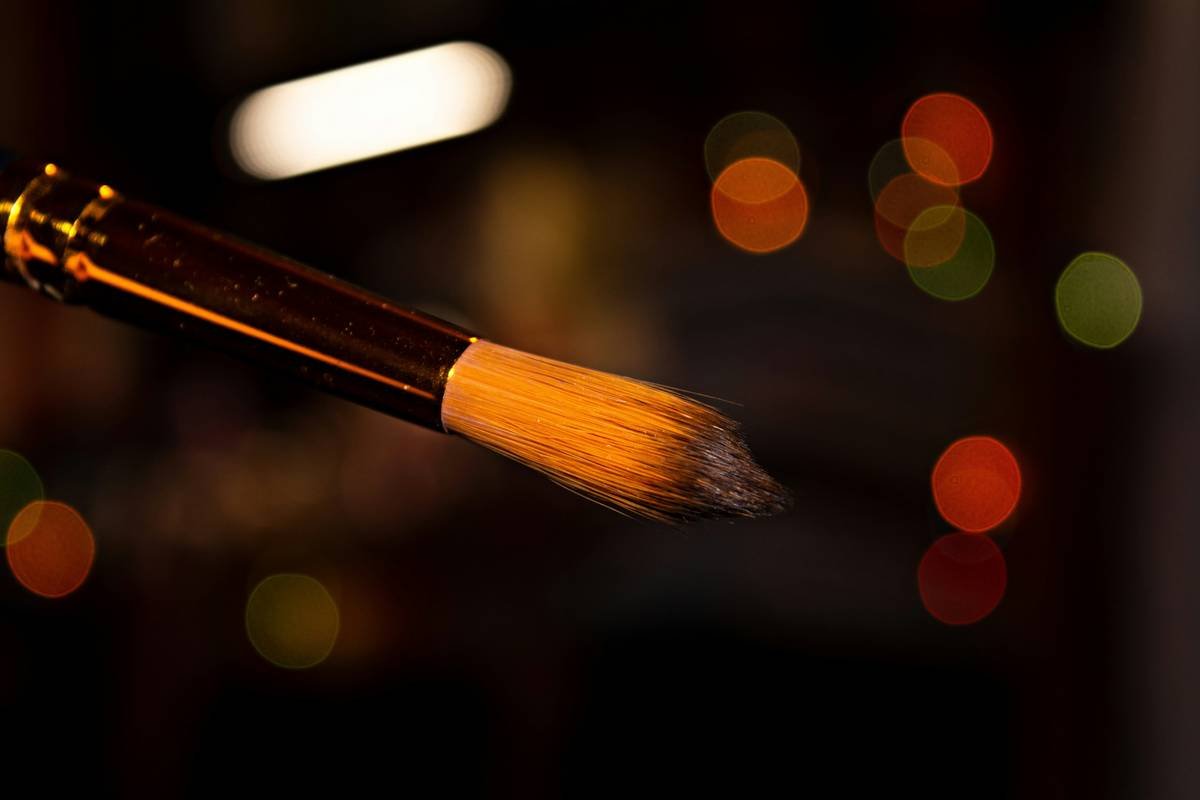
The Industry Secret: Pros Layer Brushes—Not Just Product
Here’s what no brand will admit: elite makeup artists rarely rely on one brush per step. They use a *sequence*. Start with a denser brush to deposit pigment precisely. Then—immediately follow with a lighter, fluffier cosmetic blending brush to soften edges. This two-pass method mimics how light naturally hits facial planes. Single-brush blending? It’s a compromise born from retail convenience, not artistry. The math is simple: control + diffusion = dimension. Skip either, and your face looks flat under camera lights—or worse, cakey in daylight.
Frequently Asked Questions
Can I use the same cosmetic blending brush for eyes and face?
No. Eye brushes pick up darker, more pigmented formulas that stain face brushes—and cross-contamination risks irritation. Keep them separate.
How often should I replace my cosmetic blending brush?
Every 12–18 months with regular use. Bristles split, ferrules loosen, and performance degrades long before it’s obvious.
Are expensive cosmetic blending brushes worth it?
Yes—if they’re hand-tied with graded fibers. Cheap brushes shed, scratch skin, and distribute unevenly. Invest once, blend perfectly for years.