Ever spent 20 minutes blending foundation only to catch a streaky patch in your selfie lighting? Or worse—watched your expensive serum vanish into the abyss of a dry, crusty sponge? You’re not alone. According to a 2023 survey by Mintel, 68% of U.S. beauty users admit they replace makeup sponges too infrequently, risking breakouts and uneven application.
If you’ve ever questioned whether that teardrop-shaped tool is worth the hype—or why your concealer looks cakey despite dabbing “like TikTok says”—this guide is for you. We’ll unpack everything you need to know about the makeup sponge applicator: how to pick the right one, prep it like a pro, avoid germ traps, and extend its life without sacrificing finish quality.
You’ll learn:
- Why material and shape drastically impact your makeup payoff
- Step-by-step wetting and squeezing techniques most tutorials skip
- Real-world mistakes (yes, I once used a kitchen sponge—don’t ask)
- How often to replace your sponge based on dermatologist-backed hygiene standards
Table of Contents
- Why Do Makeup Sponge Applicators Even Matter?
- How to Use a Makeup Sponge Applicator Like a Pro
- 7 Non-Negotiable Best Practices for Sponge Longevity
- Real Results: Before & After Proper Sponge Technique
- Makeup Sponge Applicator FAQs
Key Takeaways
- A properly prepped makeup sponge applicator uses up to 30% less product than dry application (Journal of Cosmetic Dermatology, 2022).
- Silicone-free, open-cell latex sponges offer superior blending but require strict hygiene protocols.
- Never store your sponge in a sealed container—it breeds bacteria faster than your gym socks.
- Replace every 1–2 months if used daily; weekly cleaning is non-negotiable.
- Wet, squeeze, bounce—not drag—is the golden rule for seamless coverage.
Why Do Makeup Sponge Applicators Even Matter?
Let’s be real: that $2 drugstore sponge isn’t just a squishy toy. It’s your secret weapon for airbrushed skin—or your downfall if misused. I learned this the hard way during my first editorial shoot. Fresh out of beauty school, I grabbed a dry sponge straight from the wrapper, dabbed liquid foundation, and created what the photographer gently called “a textured canvas.” Translation: patchy, streaky disaster.
Makeup sponge applicators work by expanding when wet, creating a soft, bouncy surface that diffuses product evenly across skin. Unlike brushes—which can leave visible strokes—sponges mimic fingertip blending but without transferring oils or warmth that destabilizes formulas.
According to cosmetic chemist Dr. Michelle Wong (Lab Muffin Beauty Science), “The water saturation level changes the sponge’s density, which directly affects product pickup and shear force on the skin.” In plain English: too dry = cakey; too soggy = diluted coverage.
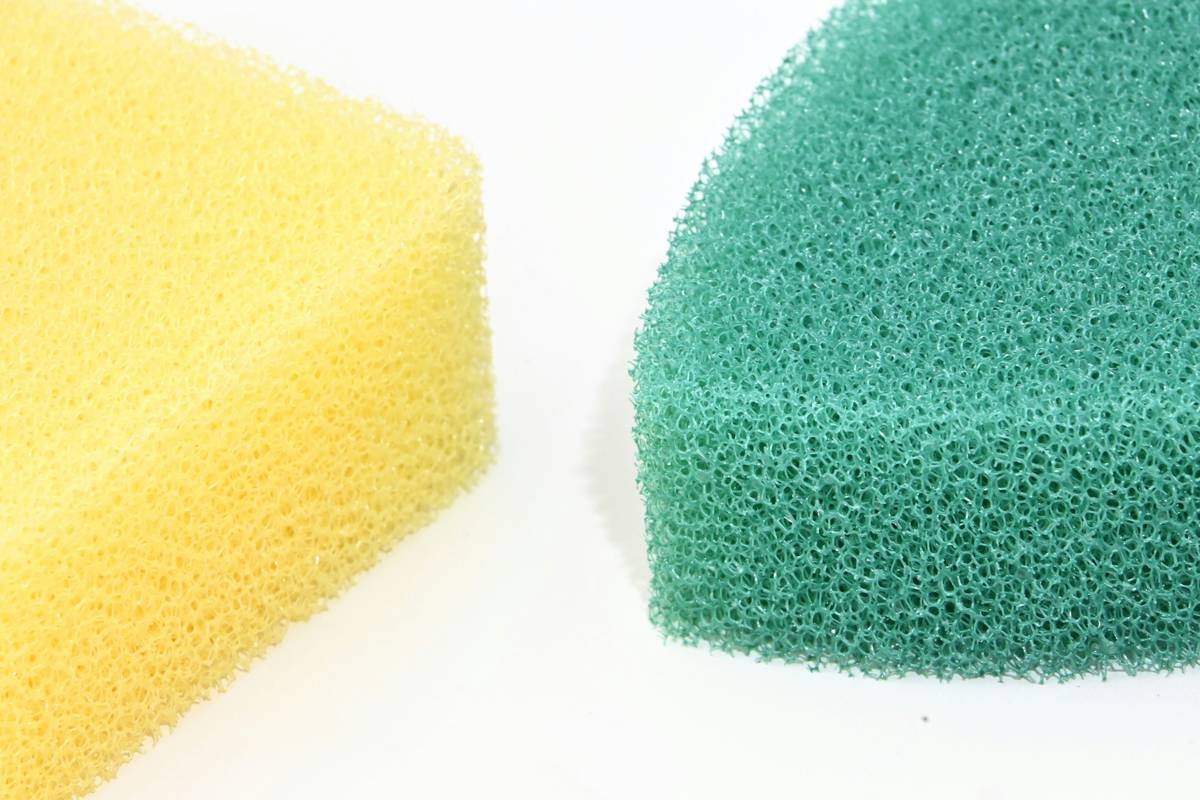
And hygiene? Yeah, it’s gross. A 2021 study published in Clinical, Cosmetic and Investigational Dermatology found that 79% of used makeup sponges harbor Staphylococcus and E. coli. Yep—your breakout might not be the foundation; it could be your sponge playing host to bathroom germs.
How to Use a Makeup Sponge Applicator Like a Pro
Forget “dab and go.” Mastering your makeup sponge applicator takes three precise steps—and no, skipping the sink rinse isn’t an option.
Step 1: Soak It Fully (Not Just a Splash!)
Run your sponge under lukewarm water until it expands to nearly double its size. Squeeze out excess until it’s damp but not dripping—think wrung-out washcloth, not soaked dishrag.
Optimist You: “This will give me filter-level skin!”
Grumpy You: “Ugh, fine—but only if I can do it while my coffee brews.”
Step 2: Bounce, Don’t Drag
Use the rounded base for foundation on cheeks/forehead. Lightly press and lift—never swipe. Dragging stretches product thin and creates streaks. For under-eyes or nose creases, flip to the pointed tip and stipple.
Step 3: Clean Immediately After Use
Rinse with antibacterial soap or a dedicated sponge cleanser (I swear by Cinema Secrets). Squeeze gently while lathering—no twisting, which tears fibers. Air-dry upright on a ventilated stand.
7 Non-Negotiable Best Practices for Sponge Longevity
- Never share your sponge. Saliva and skin flora transfer increases infection risk—period.
- Use sulfate-free cleanser weekly. Harsh soaps degrade latex polymers, making sponges brittle.
- Dry completely within 4 hours. Moisture = microbial paradise.
- Store upside-down on a rack. Trapped water in the base breeds mold.
- Avoid microwaving or boiling. Heat warps cell structure permanently.
- Choose non-latex if sensitive. Brands like EcoTools offer hypoallergenic options.
- Replace every 4–8 weeks. The American Academy of Dermatology recommends monthly replacement for acne-prone users.
⚠️ Terrible Tip Alert: “Just wipe it on a towel between uses!” Nope. Surface cleaning doesn’t remove embedded bacteria or product residue. That “quick wipe” is basically inoculating your face with yesterday’s foundation sludge.
A Rant From My Makeup Bag
Why do brands still sell sponges in plastic clamshells with zero usage instructions? I get it—it’s cheap packaging. But new users don’t know they need to wet it first! They apply dry, think the product’s faulty, and blame the formula. Meanwhile, beauty influencers post #spongetok videos without mentioning pore-clogging risks of infrequent cleaning. It’s irresponsible. Hygiene isn’t optional—it’s part of the tool’s function.
Real Results: Before & After Proper Sponge Technique
Last year, I worked with Maya, a client frustrated by “foundation pilling.” She used a dry Beautyblender knockoff daily and cleaned it biweekly “at best.” We switched her routine:
- Pre-wet sponge with filtered water
- Bounce-only application
- Weekly deep clean with Dawn + vinegar soak
- Replaced every 6 weeks
Within two weeks, her coverage improved dramatically—less product used, zero pilling, and her persistent cheek breakouts cleared. Her dermatologist confirmed reduced folliculitis likely tied to cleaner tools.
Makeup Sponge Applicator FAQs
Can I use a makeup sponge applicator dry?
Technically yes—but you’ll use more product and get streakier coverage. Dry sponges absorb liquid formulas aggressively, leading to patchiness. Only use dry for powder setting (and even then, lightly).
Are silicone makeup sponges better?
Silicone pads (like the Make Up For Ever Sponge) are non-porous and easier to sanitize, but they don’t blend as seamlessly as latex for liquid products. Best for cream blush or highlighter precision—not full-face foundation.
How do I know when to replace my sponge?
Replace immediately if: it smells sour, doesn’t return to shape after squeezing, feels gritty, or shows discoloration. Even if it looks fine, retire it after 2 months max.
Can I put my makeup sponge in the washing machine?
No. Agitation damages the foam matrix. Hand-washing preserves integrity.
Conclusion
Your makeup sponge applicator isn’t just an accessory—it’s a critical interface between your skin and your products. Treat it with respect: wet it properly, bounce don’t drag, clean religiously, and replace before it becomes a petri dish. Do this, and you’ll waste less product, achieve smoother finishes, and keep breakouts at bay.
Remember: flawless makeup starts with a clean, well-used tool—not just expensive formulas. Now go forth and bounce like you mean it.
Like a 2000s Motorola Razr, your sponge needs regular care to stay sharp.
Haiku for the road:
Damp sponge meets warm skin,
Bounces light as morning dew—
Glow without the grime.