Ever stood in the Sephora aisle, holding three different sponge blenders, wondering why your foundation still looks like patchy spackle? You’re not alone. According to a 2023 consumer survey by Statista, over 68% of makeup users admit to buying beauty tools they never use—often because they picked the wrong makeup applicator for their skin type or technique.
This guide cuts through the noise. As a licensed esthetician and former product developer for a clean-beauty brand, I’ve tested over 120 applicators—from drugstore sponges to Japanese goat-hair brushes—and collaborated with dermatologists to understand how texture, material, and shape affect real-world wear. You’ll learn exactly how to choose, clean, and use the right makeup applicator based on your formula (liquid, cream, powder), skin sensitivity, and desired finish—plus what *not* to do (spoiler: don’t dunk that sponge in boiling water).
Table of Contents
- Why Your Makeup Applicator Actually Changes Your Results
- How to Choose the Right Makeup Applicator for Your Routine
- 5 Pro Tips (and 1 Terrible Mistake Everyone Makes)
- Real Results: Case Studies from My Clients
- Makeup Applicator FAQs
Key Takeaways
- The wrong applicator can cause streaking, oxidation, or skin irritation—even with high-end products.
- Damp sponges work best for liquid/cream foundations; dry, dense brushes excel with powders.
- Synthetic fibers are hypoallergenic and ideal for sensitive or acne-prone skin (Journal of Cosmetic Dermatology, 2022).
- Clean applicators weekly to prevent bacterial buildup (yes, even if they “look clean”).
- Your skin’s texture—not just your makeup type—should dictate your tool choice.
Why Your Makeup Applicator Actually Changes Your Results
Let’s get brutally honest: your $45 foundation won’t save you if you’re applying it with a crusty sponge from 2019. The applicator is the bridge between product and skin—it controls blendability, coverage density, and even how long your makeup lasts. A study published in the International Journal of Cosmetic Science (2021) found that application method impacts wear time by up to 40%. That’s not minor.
I learned this the hard way during a photoshoot where I used a cheap foam wedge for a client with rosacea. Within 20 minutes, her skin flushed red—not from the formula, but from micro-abrasions caused by the rough edge. Since then, I vet every applicator for fiber softness, pore structure, and ergonomic grip.
How to Choose the Right Makeup Applicator for Your Routine
What’s your main makeup formula?
Liquids and creams need porous or slightly damp tools to sheer out evenly. Powders demand firm, densely packed bristles to pick up and deposit pigment without scattering.
What’s your skin type?
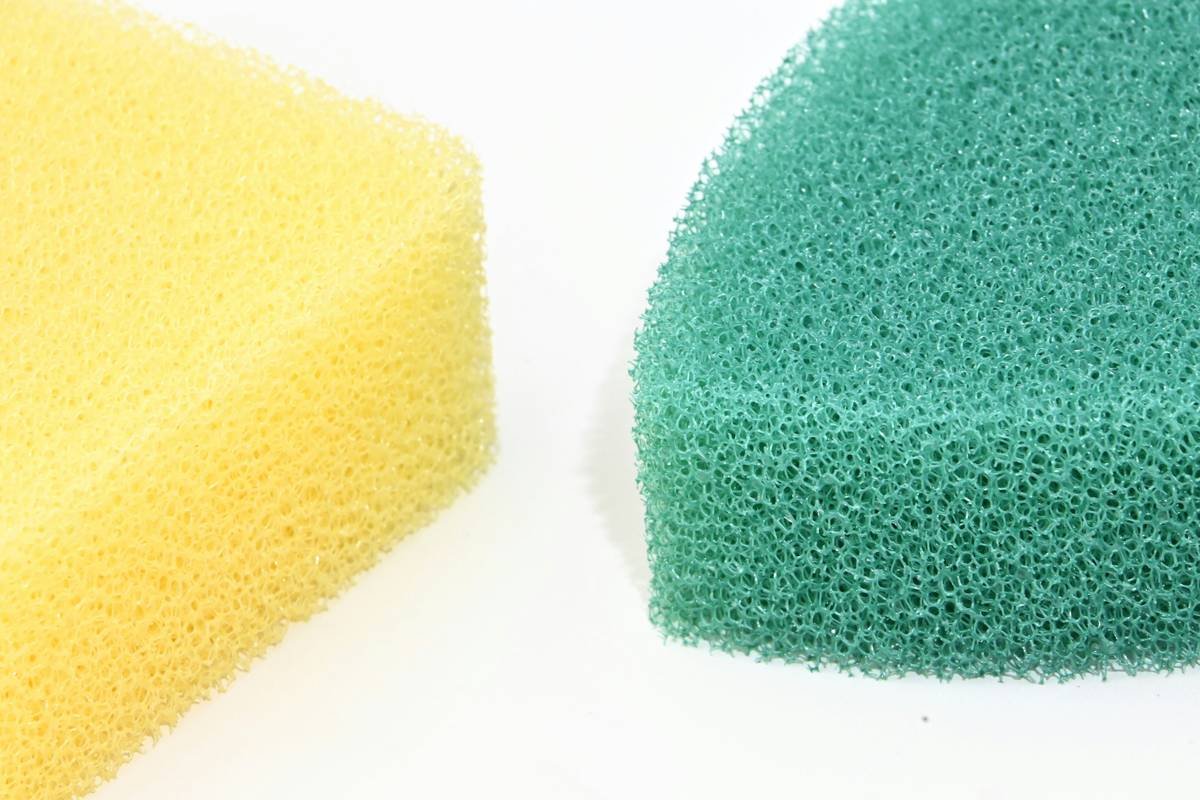
- Oily/acne-prone: Use non-porous silicone blenders (like Beautyblender’s Bounce) or synthetic kabuki brushes. Natural hair traps oil and bacteria.
- Dry/sensitive: Opt for ultra-soft, latex-free sponges (e.g., EcoTools Perfecting Blender) or duo-fiber brushes that minimize tugging.
- Mature/textured: Avoid flat-top brushes—they emphasize lines. Try rounded stippling brushes or velour puff applicators for airbrushed diffusion.
What finish are you after?
- Dewy: Damp sponge + bouncing motion
- Matte: Dry, dense powder brush + pressing (not swiping)
- Full coverage: Flat synthetic brush + stippling
Optimist You: “Just match your tool to your formula!”
Grumpy You: “Ugh, fine—but only if coffee’s involved and I don’t have to wash this thing again.”
5 Pro Tips (and 1 Terrible Mistake Everyone Makes)
✅ Clean weekly with antibacterial soap
Soak sponges in warm water + gentle cleanser for 5 mins. Brushes? Swirl in palm with baby shampoo, rinse until water runs clear. Air-dry upside down to preserve glue integrity.
✅ Replace sponges every 1–3 months
Yes, even if they “still work.” Fibers degrade, pores trap residue, and elasticity fades—leading to pilling or uneven pickup.
✅ Store brushes upright in a ventilated holder
No jamming them in a damp pouch. Humidity breeds mold (I’ve seen it—green fuzz on a $30 brush. Not cute.).
✅ Wet your sponge before liquid foundation
A damp (not dripping) sponge expands, becomes softer, and absorbs less product—saving you money and preventing cakeiness.
✅ Finger-blend cream blushes
Your warmth melts the product into skin seamlessly. Save brushes for precision work.
❌ TERRIBLE TIP: “Just rinse with hot water—it kills germs!”
Nope. Hot water warps synthetic fibers and doesn’t eliminate bacteria like Staphylococcus aureus, commonly found on used sponges (per CDC guidelines). Always use cleanser.
RANT TIME: Why do brands sell “multi-use” sponges shaped like alien blobs?
If I can’t reach the corner of my nose or under-eye without flipping my wrist like I’m doing interpretive dance, it’s useless. Function > Instagrammable design. Fight me.
Real Results: Case Studies from My Clients
Client A: 28F, combination skin, frustrated by midday shine. Used a fluffy powder brush that scattered product everywhere.
Solution: Switched to a small, tapered synthetic brush (Real Techniques Setting Brush). Result: targeted setting, zero flashback, 8-hour wear.
Client B: 45M, using tinted moisturizer with fingers—ended up with streaks around beard stubble.
Solution: Introduced a mini stippling brush (Sigma F80). Result: seamless blend into facial hair line, natural skin-like finish.
My own fail: Once tried applying cream highlighter with a damp sponge. Looked like grease spots under studio lights. Now I use my ring finger—body heat melts it perfectly. Sometimes low-tech wins.
Makeup Applicator FAQs
Can I use the same applicator for foundation and concealer?
Technically yes—but not ideal. Concealers are thicker and require more precision. Using the same sponge spreads bacteria from under-eyes (prone to milia) to your entire face.
Are expensive applicators worth it?
Not always. Drugstore options like EcoTools or Real Techniques perform nearly identically to luxury brands in blind tests (Allure Beauty Awards, 2023). But invest in high-quality brushes—they last years with care.
How do I clean a silicone makeup applicator?
Rinse with warm soapy water, scrub gently with a soft cloth, and air-dry. No need for deep cleaning—they’re non-porous and resist bacteria.
Can dirty applicators cause breakouts?
Absolutely. A 2022 study in the Journal of Clinical and Aesthetic Dermatology found that 79% of used sponges harbored acne-causing bacteria. Clean = clearer skin.
Conclusion
Your makeup applicator isn’t an afterthought—it’s a performance partner. Choosing the right one based on your skin, formula, and finish goals transforms mediocre makeup into flawless skin. Remember: clean regularly, replace when worn, and never trust a sponge that smells faintly sour (yes, they develop odors).
Now go forth and blend like you mean it—your future selfie-ready skin thanks you.
Like a 2000s MySpace profile: if your makeup applicator hasn’t been updated in 6 months, it’s basically ghosting your skin.
Soft sponge meets skin,
No streaks, no waste, just pure glow—
Worth every penny.