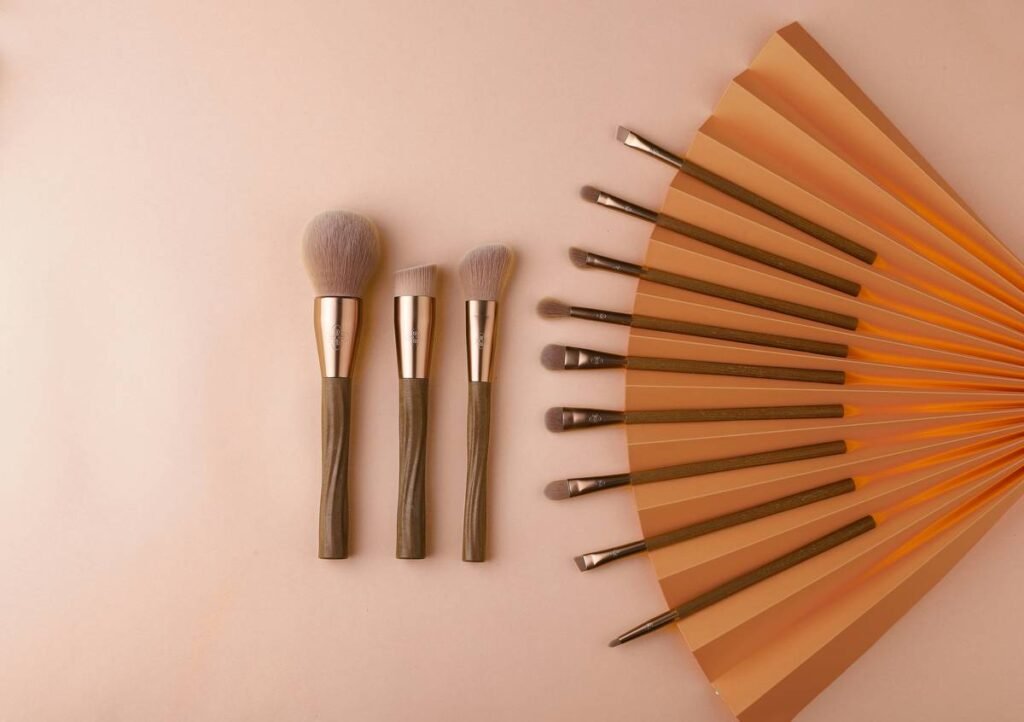
You blend for 20 minutes. You layer pigment with surgical precision. Yet your eyeshadow still looks muddy, patchy, or flat. The problem isn’t your palette—or even your technique. It’s your cosmetic eyeshadow brush. Most are designed for shelf appeal, not performance. And that mismatch? It’s costing you time, product, and confidence.
The Flawed Logic Behind “One-Size-Fits-All” Brushes
Brands push brush sets like they’re starter kits for rocket science. Ten brushes. One flimsy case. Zero understanding of eye anatomy. Here’s the reality: a dome-shaped blending brush won’t cut it for tightlining. A stiff paddle won’t diffuse color softly along the crease.
And most synthetic fibers? They shed, splay, or absorb pigment like a sponge—wasting expensive formulas before they even touch your lid.
Build Your Precision Toolkit: A Step-by-Step Approach
Forget collecting brushes. Start curating them. Match each tool to a specific function—and skin type.
Identify Your Eye Shape & Desired Finish
Hooded lids demand short, firm bristles for control. Deep-set eyes need tapered tips to reach inner corners without smudging. Want a diffused, editorial look? Go for soft, feathery domes. Crisp lines? Dense, angled cuts win every time.
Choose Filament Type Strategically
Natural hair picks up more pigment but isn’t vegan—and sheds faster. High-grade synthetics (like PBT or Taklon) offer consistent density, hold shape after washes, and work flawlessly with cream or powder. The math is simple: better fiber = less product wasted = sharper payoff.
Master the Minimalist Kit
You don’t need ten brushes. You need three done right:
| Function | Brush Type | Filament | Cost Efficiency |
|---|---|---|---|
| Base Application | Dense, flat paddle | Synthetic (PBT) | High — applies max pigment in one swipe |
| Crevase Blending | Medium tapered dome | Natural/synthetic blend | Medium — requires 2–3 passes |
| Detail & Tightlining | Mini pencil or angled liner | Firm synthetic | Very high — zero fallout, full control |


The Industry Secret: Brushes Are Meant to Be Replaced—Not Forever Kept
Here’s what brands won’t tell you: even “premium” brushes degrade after 6–9 months of regular use. Bristles lose spring. Ferrules loosen. Hygiene suffers. But instead of selling durable tools, they bank on emotional attachment—“This was my first Morphe!”—while silently profiting from replacements.
Think about it: would you keep a toothbrush for two years? Of course not. Your eyes deserve the same standard. Rotate brushes quarterly. Deep-clean monthly. And never assume “expensive” equals “long-lasting.” Performance decays—whether you see it or not.
FAQ
What makes a good cosmetic eyeshadow brush?
Dense, non-porous bristles with precise shape retention. Look for seamless ferrules and balanced handles—not just cute packaging.
Can I use the same brush for cream and powder shadows?
Not ideal. Creams require stiffer, non-absorbent fibers. Powders need softer pickup. Cross-use leads to pilling or muddy application.
How often should I clean my eyeshadow brushes?
Deep clean weekly if used daily. For occasional use, every two weeks. Use sulfate-free shampoo—never bar soap.